Car Logo: More Than Just a Badge on the Hood
That split-second recognition when you see a set of headlights in your rearview mirror, or the immediate association of quality, speed, or luxury with a simple emblem on a grille—this is the power of a masterfully crafted Car Logo. It’s not merely a decorative sticker; it’s a condensed story of engineering, heritage, and brand promise. For designers and business owners, understanding the anatomy of these iconic symbols is a masterclass in effective visual communication. The principles that make a car badge work—clarity, memorability, and emotional resonance—are the same principles that can elevate your own branding, from a local mechanic’s shop to a high-performance parts supplier.
The Anatomy of an Iconic Automotive Symbol
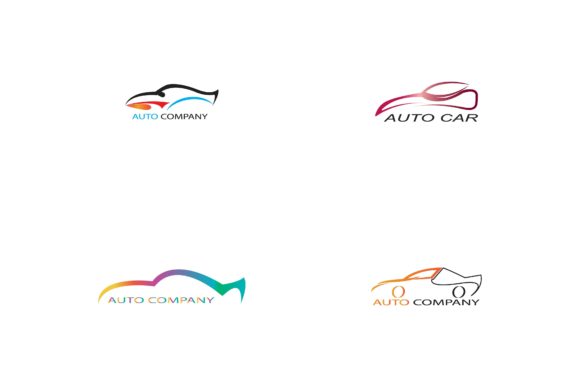
What transforms a simple graphic into a legendary automotive symbol? It’s a blend of design fundamentals and psychological triggers. A successful car logo often leverages strong, clean lines that convey stability and precision, mirroring the engineering beneath the hood. Think of the roaring jaguar, the three-pointed star, or the prancing horse—each uses a powerful animal or object silhouette to suggest speed, power, and aspiration. The choice between a detailed illustration and a stark, modern silhouette drastically changes the message. A detailed, chrome-like illustration might speak to tradition and craftsmanship, while a minimalist, abstract shape feels cutting-edge and innovative.
Color is another non-negotiable element. Black and silver or grey combinations exude luxury, sophistication, and a sense of the premium. Red injects energy, passion, and sportiness, perfect for performance-oriented brands. Blue often communicates reliability, technology, and trust, a common choice for family-oriented vehicles or commercial transport. Even the style of line work matters. A sleek, continuous line suggests elegance and flow, while a bold, broken mark can imply ruggedness and adventure. For your own projects, whether designing a logo for a car wash, a rental service, or an auto parts store, this same careful consideration of shape, silhouette, and color will determine how your brand is instantly perceived.
From Emblem to Everyday Application
The true test of a great car logo is its versatility. It must look as crisp stamped into a steering wheel as it does printed on a business card or scaled down for a social media profile picture. This is where the concept of a scalable vector graphic becomes your best friend. A vector logo design ensures that every curve and line remains perfectly sharp at any size, from a tiny favicon on a browser tab to a massive banner at a trade show. This scalability is crucial for maintaining a professional presentation across all your marketing assets.
Consider the practical applications for a business in the automotive industry. A well-designed emblem for a local garage or mechanic workshop instantly builds trust. It can be used on uniforms, invoices, shop signage, and even on the side of service vans. For a performance tuning company or a specialty parts dealer, a bold, stylish badge becomes a symbol of the community and quality craftsmanship. It’s not just a logo; it’s a sticker that customers proudly display, turning their vehicles into mobile advertisements. This extends to digital spaces: your logo should be the cornerstone of your website header, your email signature, and the profile image for all your social media graphics, creating a cohesive and recognizable brand identity everywhere you appear.
Choosing the Right Style for Your Brand Identity
Not every automotive business should use the same visual language. The style of your logo must align with your specific brand personality and audience. A luxury car dealership will benefit from a logo that feels elegant, perhaps using a sophisticated serif font or a refined script font paired with a sleek emblem. The design might incorporate subtle, decorative elements or a metallic finish to convey exclusivity and high quality. Conversely, a brand focused on off-road vehicles, 4x4 adventure, or rugged trucks should lean into a different aesthetic. Here, a bolder, more powerful typeface—maybe a heavy sans serif font—combined with a strong, angular emblem that suggests strength and capability would be more effective.
For businesses that serve a broader audience, like a car wash or a rental company, approachability is key. A clean, modern logo with a friendly, rounded typeface and a simple, happy icon (like a smiling car or a sparkling water droplet) can feel more welcoming and less intimidating. The goal is to match your typography and graphic style to the emotion you want to evoke. A vintage or retro style, using classic fonts and old-school design elements, might be perfect for a classic car club, restoration workshop, or a hot rod shop. Testing these styles through mockups on business cards, shop fronts, and social media posts is an essential step before finalizing your design.
Building a Cohesive Visual System
A logo is the cornerstone, but a full brand identity is a system. Once you have your primary car logo, think about how its elements can inform other design assets. The color palette you chose should extend to your website, packaging, and print materials. The style of your icon or emblem can be broken down into smaller graphic elements—like a simplified wheel shape, a gear, or a wrench icon—to create a cohesive set of visual tools for different contexts. This ensures that from a full-page ad to a small product label, everything feels connected and professionally managed.
Typography is a critical part of this system. Your logo’s font shouldn’t stand alone. Select complementary typefaces for your body text, headings, and other communications. A common and effective strategy is font pairing: using a distinctive display font or logo font for headlines and pairing it with a highly readable sans serif font for paragraphs. This creates visual interest while maintaining excellent readability across your website, blogs, and editorial layouts. Remember, the goal is consistent recognition. When a customer sees your color scheme, your specific style of illustration, or your unique typography, they should immediately connect it with your business, whether they’re looking at a digital ad, a physical poster, or a merchandise sticker.
Ultimately, the lessons from automotive branding are universally applicable. It’s about crafting a symbol that tells a story, applying it consistently across every touchpoint, and building a visual language that resonates with your target audience. By focusing on clarity, adaptability, and emotional connection, you can create a brand identity that doesn’t just sit on a page but drives real recognition and trust.