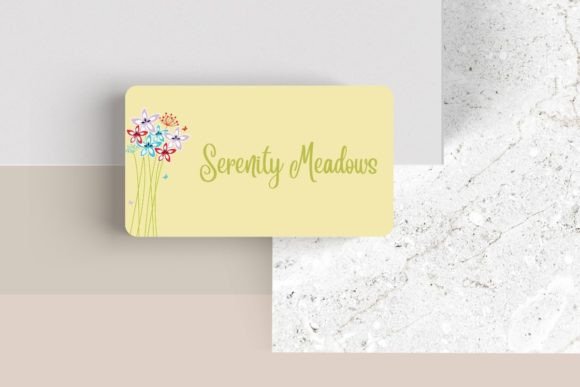
Editable Canva Business Card #62: A Modern Design Solution
Let’s be honest: the standard, template-based business card often gets lost in a pile on a networking table. It’s generic, forgettable, and does little to communicate the unique value of your brand. For entrepreneurs, freelancers, and creatives, that first physical touchpoint with a potential client or collaborator is too important to leave to chance. You need something that feels intentional, polished, and distinctly you. This is where a thoughtfully designed, customizable template steps in, transforming a simple exchange of contact information into a memorable brand moment.
More Than Just a Card: A Flexible Branding Tool
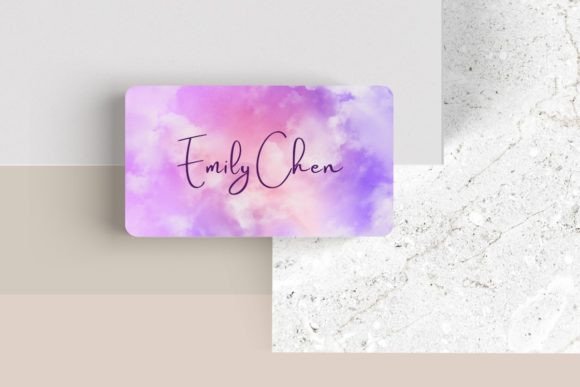
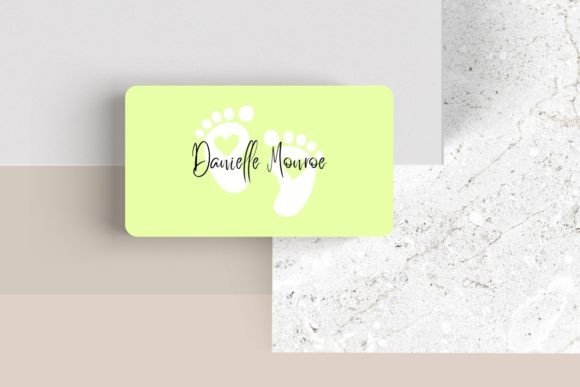
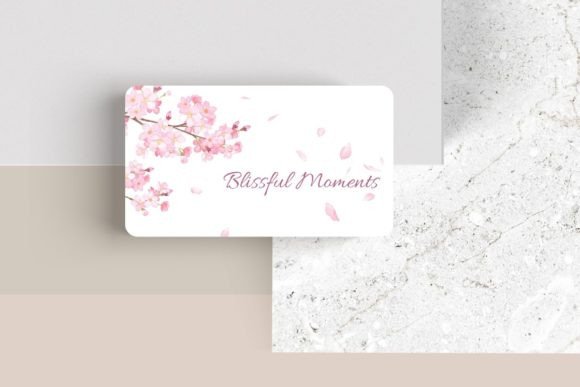
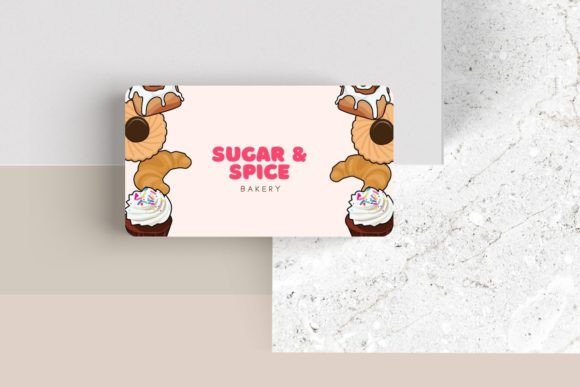
The Editable Canva Business Card #62 isn't just a static file; it's a versatile design asset built within Canva's intuitive platform. Its strength lies in its sleek, modern aesthetic—clean lines, balanced whitespace, and a contemporary layout that provides a professional foundation without imposing a rigid style. Think of it as a blank canvas with excellent bones. The real power emerges in its adaptability. You're not just filling in blanks on a pre-made design; you're actively shaping a visual identity piece.
The customization options are practical and directly impact your brand's presentation:
- Typography Control: Adjust the font, font color, and size to match your brand's voice. A bold sans-serif conveys confidence and modernity, while a refined serif can add a touch of tradition and authority. This isn't just about picking a pretty typeface; it's about ensuring your typography aligns with your overall brand personality, whether that's approachable, luxurious, edgy, or minimalist.
- Logo Integration: Seamlessly add your logo. Placement is key—do you want it centered for impact or subtly placed in a corner for a cleaner look? The template allows you to experiment with scale and positioning to find what feels most balanced and recognizable.
- Layout Freedom: The ability to move elements around is crucial. Maybe your contact details need more breathing room, or you want to create a stronger visual hierarchy. Dragging and resizing elements lets you guide the viewer's eye exactly where you want it, from your name and title to your website and social handle.
- Element Expansion: Don't stop at text and a logo. Add a subtle brand pattern, a professional headshot, or an icon that represents your service. This is where you can inject personality and make the card uniquely yours, turning it from a simple information carrier into a miniature portfolio piece.
Practical Applications Across Your Brand Ecosystem
While its primary function is as a business card, the design principles and visual language you establish with Editable Canva Business Card #62 can and should inform your broader brand materials. This creates the visual consistency that is fundamental to strong brand recognition.
Consider how the card's style translates to other touchpoints:
- Social Media Graphics: Use the same color palette, font pairings, and clean layout style for your Instagram posts, Facebook covers, or LinkedIn banners. A follower who receives your card should instantly recognize your social content.
- Digital Products & Marketing Assets: Apply the template's design logic to create PDF guides, email headers, or webinar slides. Maintaining consistent typography and spacing across these assets reinforces your professional image.
- Packaging & Merchandise: For product-based businesses, the minimalist aesthetic can inspire hang tags, thank you cards, or sticker designs that complement your packaging without overwhelming it.
- Web & Blog Design: The font choices and layout balance you settle on can directly influence your website's header styles, blog post graphics, or sidebar designs, creating a seamless experience from print to digital.
Key Considerations for a Professional Result
Customization is powerful, but a few strategic choices will ensure your final card feels cohesive and effective.
Test Your Font Pairings: If you use the template's suggested fonts, great. If you change them, be mindful of pairing. A common and reliable strategy is to combine a display font or serif font for your name with a clean sans-serif font for your contact details. The contrast creates interest while maintaining readability. Always view your design at actual size (3.5″ x 2″) to ensure text isn't too small to read comfortably.
Embrace Whitespace: The modern design of this template often relies on effective use of negative space. Resist the urge to fill every corner. Whitespace gives your information room to breathe, makes the card feel more elegant, and improves overall readability. It’s a key component of professional presentation.
Color with Purpose: Stick to your established brand colors. If you're still defining your palette, use the card as a test. Limit yourself to two or three colors maximum—one primary, one accent, and a neutral like black, gray, or white for text. This prevents visual clutter and ensures your logo remains the focal point.
Review Licensing for Commercial Use: Since this is a commercial font template, you're covered for using it in client work or for your own business. However, it's always good practice to double-check the specific terms within Canva regarding redistribution of the editable template file itself versus the final, flattened design you print.
Ultimately, a business card should work for you long after the initial handshake. By leveraging the flexibility of the Editable Canva Business Card #62, you move beyond generic templates to create a tactile, professional piece that accurately represents your brand's quality and attention to detail. It’s an investment in your visual identity that pays dividends in credibility and recognition.