Editable Canva Business Card #25: A Modern Template for Your Brand
First impressions are everything, especially in the professional world. Your business card is often the first tangible piece of your brand that a potential client or partner holds. It’s not just a piece of paper with contact information; it’s a handshake, a statement of quality, and a snapshot of your brand’s personality. A generic, off-the-shelf card can get lost in a wallet or, worse, the trash. That’s where a thoughtfully designed, customizable template changes the game, offering a polished starting point that you can truly make your own without needing a design degree.
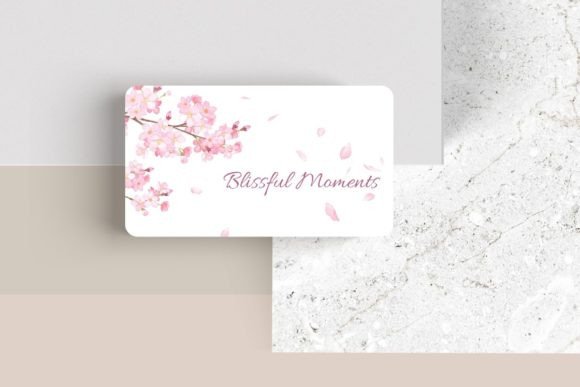
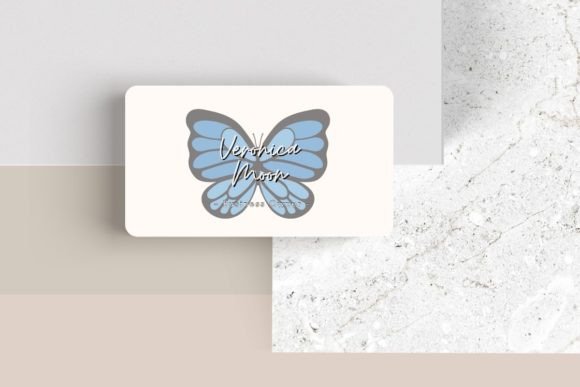
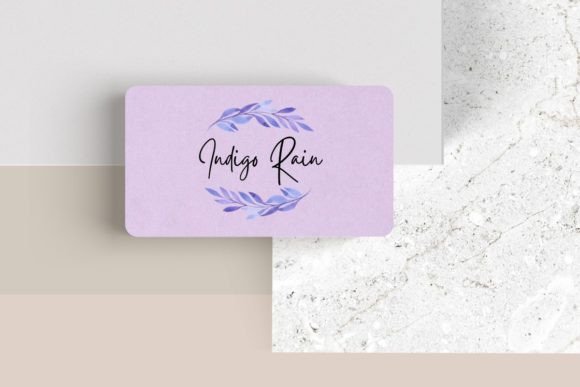
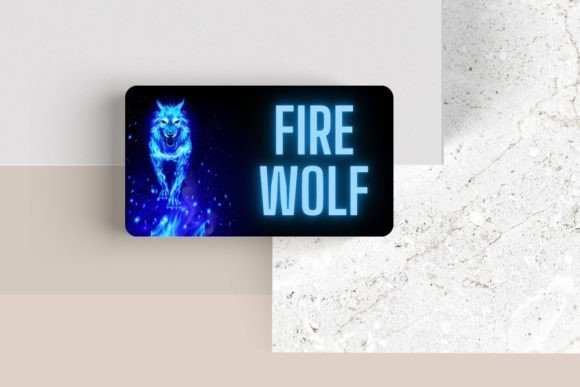
The Editable Canva Business Card #25 template is built for exactly this purpose. It presents a sleek, modern aesthetic that prioritizes clean lines and balanced composition. The visual appeal lies in its versatility—it serves as a sophisticated canvas that can adapt to a minimalist tech startup, a bold creative agency, or an elegant boutique service. The layout is intentionally structured to guide the eye, ensuring your name, title, and contact details are immediately accessible while still allowing space for your unique brand elements like a logo or a subtle graphic. This isn't just a template; it's a professional toolkit for visual communication.
More Than Just a Business Card: Unleashing Creative Applications
While its primary function is networking, the true value of a premium, editable design asset like this extends far beyond a 3.5″ x 2″ piece of cardstock. Think of the template as a foundational design system for your brand’s visual identity. The clean, modern typography and structured layout can be the starting point for a wide array of marketing materials, ensuring consistency across every touchpoint.
For instance, the same design principles can be adapted for social media graphics. Use the font pairing and color scheme from the card to create cohesive Instagram stories, LinkedIn banners, or Pinterest pins. This creates immediate brand recognition. The template’s structure is also ideal for digital products like price lists, service menus, or thank-you cards for online orders. For those with a physical presence, the design elements translate seamlessly into packaging design—think hang tags, sticker designs, or sleeve prints that echo the professionalism of your card.
Entrepreneurs and content creators will find it particularly useful for editorial layouts. The clean hierarchy of information works beautifully for one-page media kits, speaker sheets, or digital brochures. Even website design can benefit; the font choices and spacing can inform the typography for your site’s headers and body text, creating a unified experience from the physical card to the digital space. Essentially, you’re not just getting a business card; you’re investing in a brand identity toolkit.
The Power of Customization: Making the Template Uniquely Yours
The real magic of the Editable Canva Business Card #25 happens when you dive into customization. Canva’s intuitive editor means you don’t need to be a professional designer to achieve a professional result. The template is fully editable, giving you control over every detail to ensure the final product is a perfect reflection of your brand.
Start with the fundamentals: font, font color, and size. The template likely includes carefully chosen font pairings—perhaps a strong sans serif font for your name and a complementary serif font for details. You can stick with these or swap them out to match your existing brand fonts. Adjusting the color palette to your brand’s primary and secondary colors is a simple way to personalize the design instantly. Beyond text, you can add your logo with a simple drag-and-drop. This is crucial for brand recognition. Don’t just place it; consider its size and placement for visual balance.
Feel empowered to move elements around. Does a line feel too close to the edge? Shift it. Does your logo need more breathing room? Adjust the spacing. You can also add additional elements like photos or logos. A subtle background texture, a geometric shape in your brand color, or a small icon can add depth and personality without cluttering the design. The goal is to create a card that feels intentional and uniquely yours, not like a template someone else might use.
Practical Tips for a Polished Final Product
To ensure your customized card makes the best possible impression, keep a few practical design principles in mind. First, prioritize readability. A beautiful script font might look elegant, but if it’s too ornate for your name at a small size, it defeats the purpose. Always print a test copy at actual size to check that all text is legible. Your name and primary contact info should be the easiest to read.
Next, consider your font pairing. A general rule is to combine a display font or handwritten font for headings with a more neutral, readable serif or sans serif font for body text. This creates contrast and hierarchy. When matching typography to your project goals, think about the emotion you want to evoke. A sleek sans serif font communicates modernity and efficiency, while a classic serif font can convey tradition and reliability.
Finally, review the included font styles thoroughly. Does the template offer bold, italic, or light weights? Using these can add emphasis without introducing a new font. And always double-check the commercial licensing for any fonts or graphic elements you add, especially if you plan to use the design for merchandise or large-scale print runs. This due diligence protects you and ensures your branding materials are used legally.
By starting with a robust, editable template like #25 and applying these thoughtful customizations, you move beyond just having a business card. You create a cohesive, professional, and engaging brand asset that works hard for you across multiple platforms, making every introduction memorable.