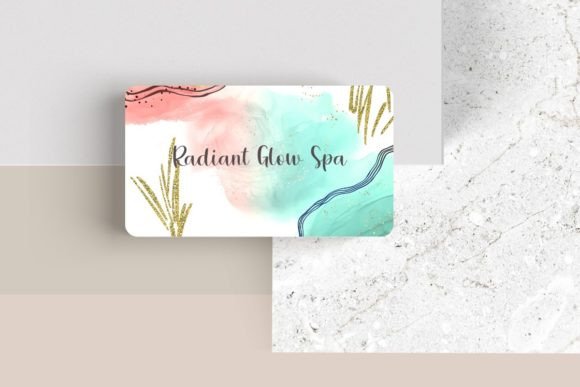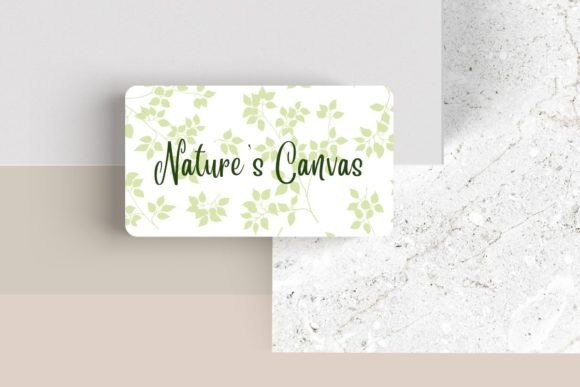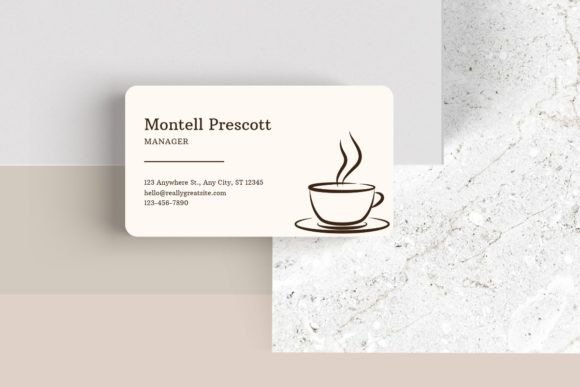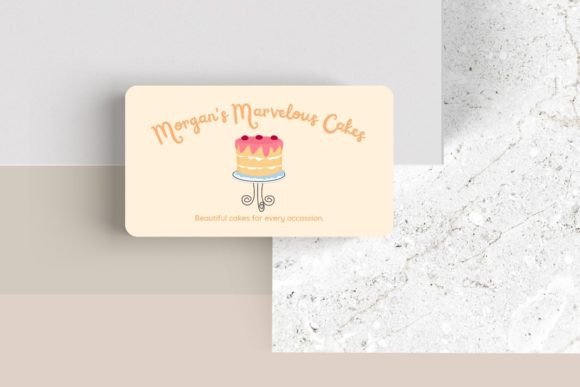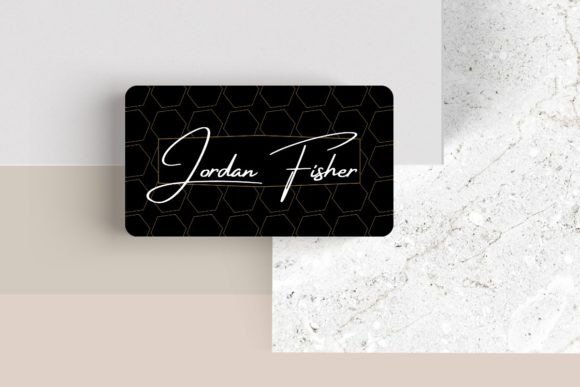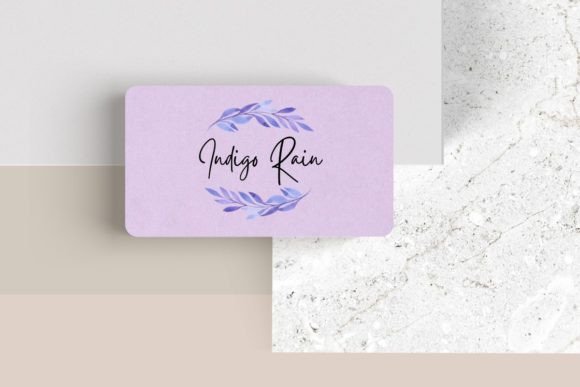
Editable Canva Business Card #35: Your Brand's First Impression
Think about the last time you received a business card that truly caught your eye. Maybe it was the clean typography, the thoughtful spacing, or the way the colors felt intentional rather than random. That's the difference between a card that gets lost in a wallet and one that sparks a conversation. Our Editable Canva Business Card #35 was designed with that exact moment in mind—when a simple exchange of contact details becomes a memorable brand interaction.
A Modern Template Built for Real Flexibility
What sets this particular business card template apart is its balance between structure and creative freedom. The base design offers a sleek, contemporary layout that works across industries—from creative freelancers to corporate consultants. But here's where it gets practical: you're not locked into someone else's vision. Every element is fully customizable within Canva's intuitive editor, which means you can adjust fonts, swap colors, reposition text blocks, and upload your own logo without wrestling with complicated design software.
The standard dimensions—3.5 inches by 2 inches—follow the universal business card size, so your finished design will print cleanly at any professional print shop or through online services like Vistaprint or Moo. No awkward cropping, no resolution surprises. Just a polished, ready-to-hand card that reflects who you are and what you do.
Why Customization Matters More Than You Think
Here's something many people overlook when designing their first business card: your card isn't just contact information on paper. It's a condensed version of your entire brand identity. The font you choose communicates personality before anyone reads a single word. A clean sans serif suggests modernity and efficiency. A refined serif font hints at tradition and authority. A playful script can signal creativity and approachability.
With Editable Canva Business Card #35, you can experiment with these choices until the design feels right. Swap the font family to match your existing brand guidelines. Adjust the font size so your name commands attention without overwhelming the layout. Change the font color to complement your logo or create contrast that improves readability. These aren't just aesthetic tweaks—they're strategic decisions that shape how potential clients, collaborators, and customers perceive your professionalism.
Practical Applications Beyond the Card Itself
While this template is built specifically for business cards, the design principles it embodies translate across your entire visual ecosystem. Once you've customized a card that feels authentically yours, you've essentially established a mini brand style guide. The color palette you've selected can carry over to your social media graphics. The typography choices can inform your website headers, email signatures, and presentation decks.
Consider a freelance photographer who uses Editable Canva Business Card #35 with a minimalist layout and a bold display font for their name. That same typographic voice can appear on their Instagram story templates, their portfolio website's navigation menu, and even the watermark on client proofs. Visual consistency across these touchpoints builds brand recognition over time—people start associating that specific look with your work before they even read your name.
The same principle applies to packaging design for small product-based businesses. If you're selling handmade candles, artisan chocolates, or custom stationery, your business card often travels alongside your products. When the card's design language matches your product labels, tissue paper inserts, and thank-you notes, the entire unboxing experience feels cohesive and intentional.
Design Choices That Actually Improve Readability
One of the most common mistakes in DIY business card design is prioritizing style over clarity. A gorgeous script font might look stunning at full screen on your laptop, but at 3.5 by 2 inches on thick cardstock, it can become nearly illegible. This template encourages you to think about readability from the start.
Start with your name and title—these should be the most prominent text elements. Use a font weight and size that ensures instant recognition, even in dim lighting at a networking event. Your contact details—phone number, email, website—can sit at a slightly smaller size, but they should still be effortless to read at a glance. If you're adding social media handles, consider using icons paired with short URLs rather than cramming full profile links onto the card.
Whitespace is your friend here. The layout of Editable Canva Business Card #35 intentionally leaves breathing room between elements. Resist the temptation to fill every corner with information. A card that feels open and organized communicates confidence and clarity—qualities that reflect well on any business.
Matching Your Card to Your Industry and Audience
A corporate attorney and a wedding planner operate in very different visual worlds, even though both benefit from a well-designed business card. The attorney might lean toward a serif typeface in navy and charcoal, projecting stability and trust. The wedding planner might choose a delicate script font paired with soft blush tones, evoking elegance and warmth.
This template accommodates both approaches—and everything in between. A tech startup founder could go bold with a geometric sans serif and a vibrant accent color. A yoga instructor might prefer earthy tones with a handwritten-style font that feels grounded and personal. The key is thinking about your audience's expectations and your industry's visual norms, then finding a way to meet those expectations while still expressing what makes your brand distinct.
If you're unsure where to start, look at business cards from professionals you admire in your field. Notice the typography trends, the color palettes, the balance between text and empty space. Use those observations as a starting point, then let your own brand personality guide the final decisions.
From Template to Finished Design: A Quick Workflow
Getting started with this editable business card template takes less time than you might expect. Open the template in Canva, and you'll see the base layout ready for your input. Replace the placeholder text with your actual information—name, title, phone, email, website, and any social links you want to include.
Next, upload your logo and position it where it complements the overall composition. Many designers place the logo on the front with contact details on the back, but this template gives you the flexibility to arrange elements however you prefer. Experiment with moving text blocks, adjusting alignment, and testing different font pairings until the design feels balanced.
Before you send anything to print, do a few quick checks. Pull up the design on your phone to see how it reads at a smaller scale. Print a test copy on regular paper and hold it at arm's length—does your name stand out? Are the contact details easy to scan? Ask a friend or colleague for honest feedback. Fresh eyes often catch issues that become invisible after staring at a design for too long.
Building a Brand Identity One Design Asset at a Time
Your business card is often the first tangible piece of brand identity a potential client encounters. But it shouldn't be the last. Once you've nailed the design through Editable Canva Business Card #35, you've created a foundation that can inform every other visual asset you produce—from letterheads and invoices to social media templates and presentation slides.
Think of this card as the seed of a larger visual system. The font pairings you've tested here can become your go-to typography for blog headers and editorial layouts. The color codes you've selected can define your entire digital presence—website backgrounds, email newsletter accents, even merchandise designs if you sell branded products like tote bags or stickers.
Consistency doesn't mean rigidity. It means that every piece of communication your audience encounters feels like it came from the same thoughtful source. When someone picks up your business card at a conference, then later sees your Instagram post, then visits your website, the experience should feel seamless. That kind of visual coherence builds trust, and trust is what turns a first impression into a lasting professional relationship.