Red Bull Mascot Logo: A Dynamic Template for Bold Branding
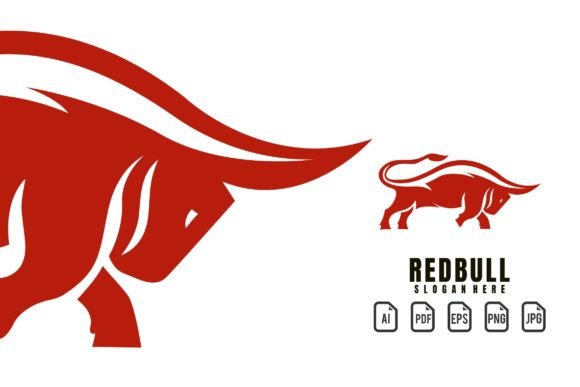
There’s a certain energy that comes with a well-executed mascot. It’s more than just a character; it’s the face of a brand’s personality, a visual shorthand for its values. When that mascot is inspired by an icon of power and speed, like the Red Bull, it carries an immediate sense of dynamism and competitive spirit. This is precisely the kind of visual impact the Red Bull Mascot Logo template is designed to deliver. It’s not just a static image; it’s a foundational design asset built for creators who need to communicate strength, agility, and a winning attitude across a multitude of projects.
More Than a Logo: A Visual Identity Toolkit
At its core, this template captures the fierce, forward-moving essence of a bull in a style that’s both modern and versatile. The design balances bold, clean lines with a sense of contained power, making it suitable for contexts ranging from athletic branding to tech startups. What makes it particularly valuable for designers and entrepreneurs is its construction. As a 100% vector work, every element—from the bull’s horns to the typography—is editable and infinitely scalable. This means the same file can be used for a tiny favicon on a website, a massive banner at a gaming convention, or a detailed embroidery pattern on apparel without any loss of quality.
The practical applications are extensive. For a small business owner launching a new energy drink, this mascot could form the cornerstone of the brand identity, appearing consistently on packaging, social media headers, and merchandise. A content creator in the gaming or esports space could adapt it into a channel logo, overlay graphics for streams, or themed posters for tournaments. The template’s flexibility extends to print materials like event invitations for sports clubs, editorial layouts in fitness magazines, and marketing assets for companies promoting athletic gear or high-performance services.
Practical Design in Action: From Concept to Creation
One of the most significant challenges in design is achieving visual consistency. A brand that uses a different style of imagery on its website versus its social media versus its product packaging can appear disjointed and unprofessional. This is where a cohesive template shines. By starting with a strong, adaptable mascot like this one, you establish a visual anchor. The bull motif can be carried through a campaign, with variations in color, scale, or supporting graphics to suit different placements, all while maintaining a recognizable core identity. This strengthens brand recognition and builds trust with your audience.
The included file formats (AI, PDF, EPS, PNG, JPG) ensure this template slots into virtually any workflow. A web designer can drop the PNG or JPG into a mockup, while a print professional will appreciate the vector files for high-resolution output. The editable text is a critical feature. The template comes with a guide to a free, compatible font, allowing you to seamlessly change the text to your brand name, event title, or any other wording. This transforms the asset from a generic mascot into a personalized logo or headline. When selecting your final typography, consider pairing the bold, display-style font of the mascot with a cleaner sans-serif for body text to ensure readability in longer documents.
Tailoring the Template to Your Project's Goals
Before diving into edits, it’s helpful to define the personality you want to project. The Red Bull Mascot Logo inherently conveys energy and competition. Is your project about raw power, or swift agility? You might adjust the color palette to reflect this—using stark black and red for a classic, powerful look, or incorporating electric blues and yellows for a more futuristic, high-tech feel. The vector nature of the files makes color changes simple and non-destructive.
Testing font pairings is another key step. While the primary font in the template is designed for impact, consider how it interacts with other typefaces you might use. A rugged, athletic display font pairs well with a geometric sans-serif for modern appeal, or with a clean serif for a more traditional, authoritative tone. Always test these combinations at the actual size they will be used to check for readability. A font that looks sharp on your monitor might become illegible when printed small on a business card.
For those planning commercial use, it’s wise to review the licensing of any bundled fonts or assets. The template notes that the font information is on a **help** file and points to a free download. This is a common and helpful practice, but it’s always your responsibility to verify that the font’s license allows for your intended use, whether it’s for a personal blog, client work, or products for sale. This due diligence is a small but important part of the professional design process.
Integrating the Mascot into a Broader Design Strategy
Think of this mascot not as a one-off graphic, but as a character that can tell a story. In a series of social media posts, the bull could be shown in different contexts—charging forward for a product launch, standing resolute for a company milestone, or leaping for a new achievement. This creates a narrative thread that engages your audience beyond a single static image. For merchandise, the mascot’s bold lines make it ideal for screen printing on t-shirts, hats, and bags, creating wearable branding that fans and customers can proudly display.
In the crowded space of digital marketing, a strong, unique visual identity is no longer a luxury—it’s a necessity. A well-crafted mascot like this one provides a memorable focal point that can differentiate your brand from competitors relying on generic stock imagery. It offers a blend of professionalism and personality that resonates in markets from sports and fitness to gaming, tech, and beyond. By leveraging its scalable, editable format and pairing it thoughtfully with complementary design elements, you can build a cohesive and compelling visual presence that truly connects with your target audience.