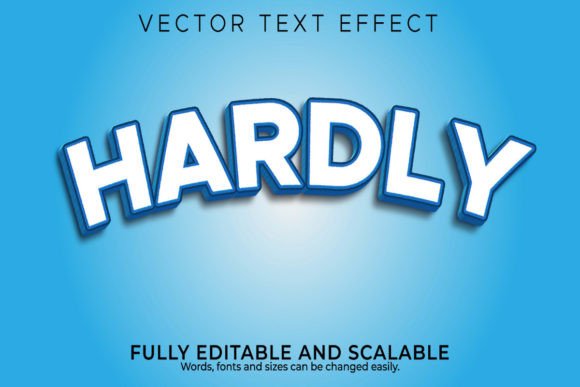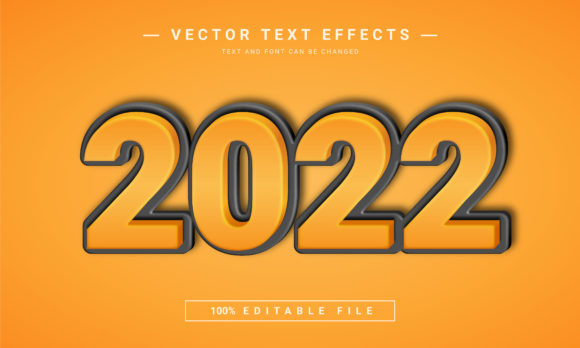
Transform Your Visuals with a Modern 3D Text Effect
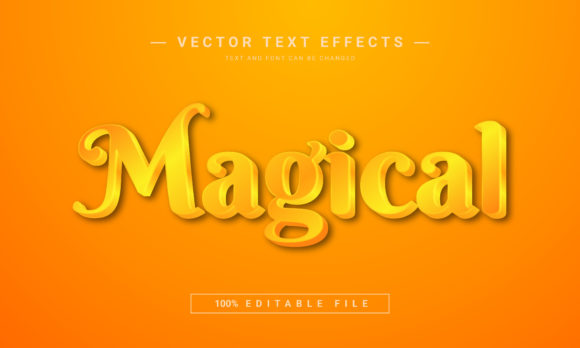
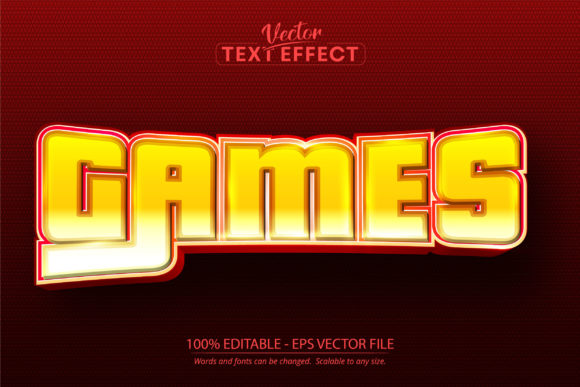
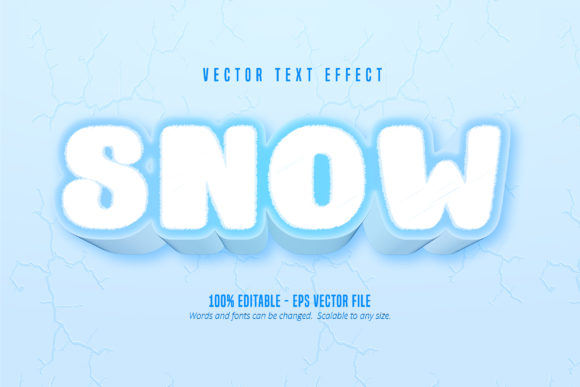
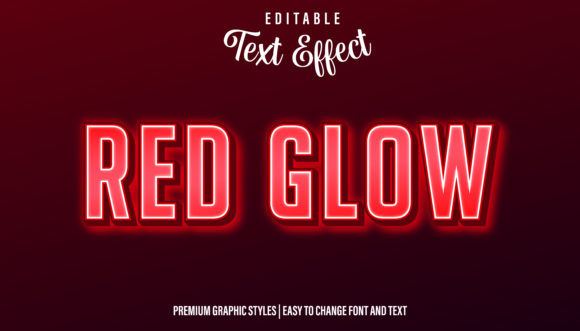
There's a moment in every designer's workflow when a project needs that extra layer of depth—something that grabs attention and holds it. Flat text can communicate information, but dimensional typography creates an experience. The 2020 3D Editable Text Effect bridges that gap beautifully, offering a sophisticated way to add volume, shadow, and realism to your letterforms without spending hours in complex 3D software.
What makes this particular resource stand out is its complete flexibility. You're not locked into a single phrase or style. Whether you're working on a client's logo, a promotional poster, or a social media campaign, you can adapt this effect to fit your exact needs. Type your own words, adjust the colors to match a brand palette, swap out fonts, or resize elements—the entire composition remains intact and professional.
Why Dimensional Typography Captures Attention
Humans are naturally drawn to objects that appear to have physical presence. Our eyes interpret depth cues—shadows, highlights, perspective—as indicators of something real and tangible. When you apply a 3D text effect to your designs, you're tapping into this instinct. The result feels more engaging than flat alternatives, making it particularly effective for projects where standing out matters.
Think about the last time a book cover, movie poster, or advertisement caught your eye from across a room. Chances are, the typography played a significant role. Dimensional lettering adds a tactile quality that invites viewers to look closer. For logo design, this approach can give a brand a memorable, distinctive mark. For packaging design, it can make a product feel premium before a customer even picks it up.
Practical Applications Across Creative Projects
The versatility of an editable 3D effect means it adapts to a surprisingly wide range of projects. Here's where designers, entrepreneurs, and creators are finding real value:
- Brand Identity Systems: Use the effect to create striking wordmarks, display type for brand guidelines, or hero text for website headers that reinforce a modern, polished aesthetic.
- Social Media Graphics: Instagram stories, Facebook covers, YouTube thumbnails, and Pinterest pins all benefit from typography that pops off the screen. Dimensional text naturally competes with busy feeds.
- Print Materials: Flyers, business cards, brochures, and event invitations gain a layer of sophistication. The effect translates well to both digital printing and offset processes.
- Editorial Layouts: Magazine covers, chapter openers, and pull quotes become more visually dynamic when the type has depth and shadow.
- Digital Products: E-book covers, online course graphics, podcast artwork, and app interfaces all benefit from typography that feels contemporary and intentional.
- Merchandise and KDP Projects: T-shirt designs, journal covers, poster prints, and low-content book covers are perfect candidates for bold, dimensional lettering.
- Website Banners and Landing Pages: Hero sections with 3D-styled headlines immediately communicate professionalism and draw visitors into the content below.
Small business owners working on tight budgets often struggle to achieve the kind of visual polish that larger competitors take for granted. A resource like this levels the playing field. Instead of commissioning custom 3D renders for every project, you can generate professional-quality results in minutes.
Making It Work for Your Brand
Choosing the right typeface to pair with a 3D effect requires some thought. Not every font benefits equally from added dimension. Sans serif fonts with clean, geometric forms often produce the most striking results because their simple shapes allow shadows and highlights to read clearly. Bold, condensed typefaces work particularly well for headlines and display applications.
That said, serif fonts with strong structural details can create an elegant, editorial feel when rendered in three dimensions. Script fonts and handwritten fonts are trickier—their flowing, irregular forms can sometimes get lost in the added complexity. If you do use them, keep the text short and increase the overall size so details remain visible.
Color choice matters just as much as font selection. A monochromatic scheme—where the base color, shadow, and highlight all stay within the same hue family—creates a subtle, refined look. Contrasting color combinations feel bolder and more energetic. Consider your project's emotional tone and audience expectations when deciding. A financial services brand might prefer muted navy and silver tones, while a children's party invitation could handle bright primaries with ease.
Always test your final composition at the size it will actually be viewed. Text that looks perfect on a large monitor might lose legibility when reduced to a mobile screen or a small printed format. Zoom out, step back, or print a test copy to confirm everything reads clearly.
Font Pairing and Design Consistency
A 3D display effect works best when it's part of a thoughtful typographic system rather than a standalone element. Pair your dimensional headline with a simpler companion font for body text, captions, and supporting information. This contrast creates visual hierarchy and prevents the overall design from feeling overwhelming.
For example, a bold 3D sans serif heading pairs naturally with a clean sans serif font for paragraphs. If your headline uses a dimensional serif, consider a light-weight serif or a humanist sans for the body copy. The key is ensuring both fonts share enough visual DNA to feel related while offering enough difference to create structure.
Consistency across a brand's touchpoints builds recognition over time. If you use a 3D text effect for your primary logo or brand wordmark, echo that dimensional quality in specific campaign materials—a sale banner, a product launch graphic, a seasonal promotion. You don't need to apply it everywhere, but strategic repetition reinforces the visual language.
Licensing and Commercial Use Considerations
Before incorporating any design asset into a commercial project, verify the licensing terms. Most premium font resources and design templates include clear guidelines about what's permitted. Look for information about:
- Whether commercial use is allowed (client work, products for sale, advertising)
- Any restrictions on the number of end products or impressions
- Whether modifications are permitted
- Attribution requirements, if any
- Usage across digital and print formats
Understanding these details upfront prevents headaches later, especially if you're creating assets for clients or selling products on platforms like Etsy, Amazon KDP, or your own e-commerce store. A well-documented license gives you confidence to use the asset broadly without second-guessing.
Bringing It All Together
The most effective design resources are the ones that save time without sacrificing quality. A fully editable 3D text effect does exactly that—it gives you the visual impact of custom-rendered typography with the convenience of a template. You type your text, adjust the styling to match your vision, and export a polished result.
Whether you're building a brand from scratch, refreshing an existing visual identity, or simply need a standout headline for your next campaign, dimensional typography deserves a place in your toolkit. Experiment with different fonts, colors, and compositions. Test how the effect looks across different contexts—on screen, in print, at various sizes. The more you work with it, the more intuitive the process becomes, and the more confident you'll feel choosing when depth enhances your message and when simplicity serves it better.
Good design isn't about using every tool available. It's about choosing the right ones for each specific moment. When that moment calls for something with presence, weight, and visual authority, a well-crafted 3D editable text effect delivers exactly that.