Editable Canva Business Card #17: Crafting a Modern Brand Impression
That stack of generic, pre-printed cards in your desk drawer? They’re not doing your brand any favors. In a digital-first world, your physical handshake—the business card—needs to work harder than ever. It’s not just contact information; it’s a tangible piece of your brand story, a miniature billboard for your professionalism and style. If you’ve ever struggled to find a design that feels both modern and uniquely yours, the search often ends in frustration. You need a solution that balances sleek, contemporary design with the freedom to make it unmistakably you. That’s the precise gap this template fills, offering a foundation built on clean lines and visual clarity that invites your personal touch.
The Anatomy of a Standout Design
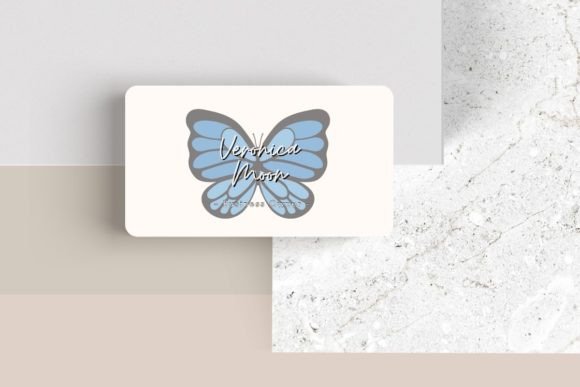
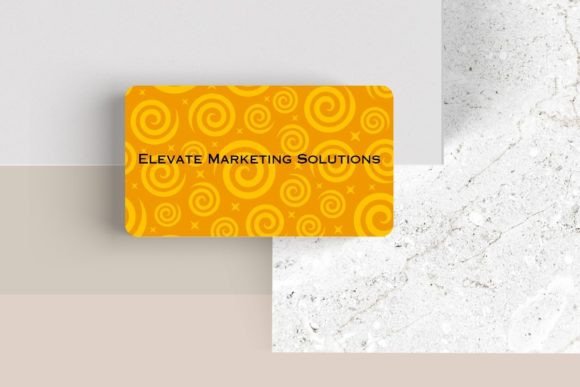
What immediately catches the eye with this particular template is its confident simplicity. It avoids the trap of overcrowded layouts, instead using strategic white space and a balanced composition to guide the viewer’s focus. The design feels inherently professional, making it a versatile canvas for a wide range of industries—from a freelance graphic designer to a boutique real estate agent or a tech startup founder. The modern typography and thoughtful spacing ensure your name and title don’t just sit on the card; they command attention without shouting. This isn’t about flashy trends that fade; it’s about establishing a clean, authoritative presence that communicates competence at a glance.
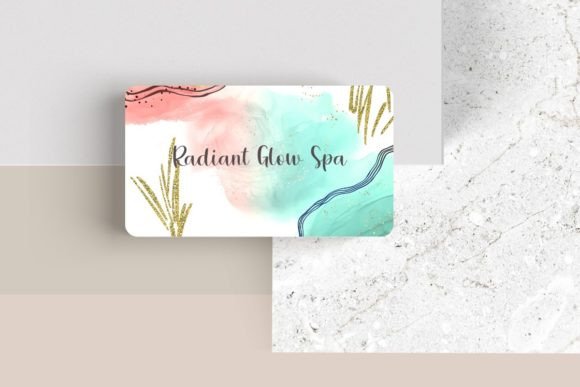
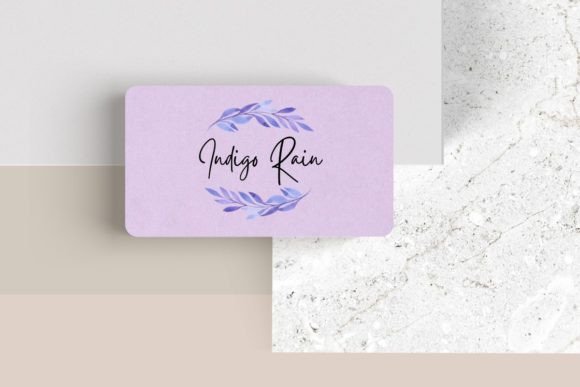
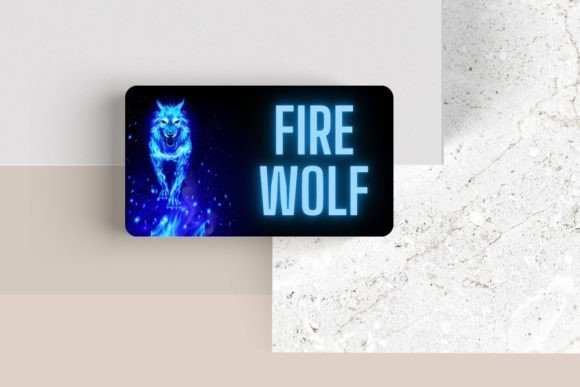
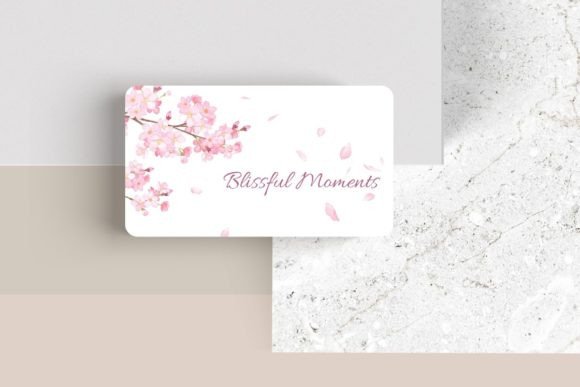
The real power, however, lies in its editability. You’re not just choosing a static image; you’re adopting a flexible framework. Consider the practical details: the standard 3.5″ x 2″ size fits perfectly in any wallet or cardholder, but within that space, every element is yours to command. You can swap the default font for a premium font that better matches your brand’s voice—perhaps a sturdy sans serif font for a tech company or an elegant script font for a boutique salon. Adjust the font color and size to ensure maximum readability against the background. The template encourages you to add your logo prominently, transforming it from a generic placeholder into a true extension of your brand identity. You can even move elements around to create a custom layout or add additional elements like photos or logos to tell a richer story. This level of control is what separates a good card from a great one.
Beyond the Card: A Foundation for Visual Consistency
Thinking of this as just a business card template sells its potential short. The design principles embedded in Editable Canva Business Card #17—its clean hierarchy, modern typeface choices, and balanced color palette—can serve as a cornerstone for your entire visual language. Imagine pulling the exact hex code of your chosen accent color to use on your website’s call-to-action buttons. Take the specific font pairing you perfected on the card and apply it to your social media graphics or blog headers for instant visual consistency. This approach is a game-changer for brand recognition. When a client sees the same cohesive style across your card, your Instagram profile, and your email newsletter, it builds trust and makes your brand instantly recognizable in a crowded marketplace.
This consistency is practical for more than just digital assets. The clean, scalable design works beautifully for other print materials. Use the same layout logic for a thank-you card, a price list for your services, or a simple appointment reminder. For creative entrepreneurs, the aesthetic could easily extend to packaging design for a product line—think minimalist stickers, hang tags, or sleeve designs that echo the professionalism of your card. The template essentially gives you a design system starter kit, saving you hours of work and ensuring every customer touchpoint feels deliberately crafted and unified.
Practical Applications for the Modern Creator
Let’s get specific about where this asset shines. For content creators and bloggers, this card is more than contact info. Use the back of the card (in a digital or print version) to feature a QR code linking to your latest project, a curated playlist, or your portfolio. The modern, clean style ensures it complements rather than competes with your creative work. If you’re in marketing, think of it as a mini case study. The template’s structure is perfect for showcasing a key statistic or a powerful client testimonial alongside your details, making your card a conversation starter.
For those in editorial design or running a small publication, the template’s typography-forward approach is ideal. It can be adapted to create elegant contributor cards or branded materials for a writer’s workshop. The readability of the chosen fonts is paramount here, ensuring that even small text is clear and accessible. Similarly, for anyone selling digital products or merchandise, the design can be tweaked to create cohesive thank-you cards or discount codes that feel like a natural extension of the product itself, enhancing the unboxing experience.
Making It Your Own: Tips for Effective Customization
Customization is where the magic happens, but it’s easy to overdo it. Start with a clear goal: is your brand more corporate and trustworthy, or creative and approachable? Let that guide your choices. When selecting fonts, limit yourself to two complementary typefaces—one for headlines (like your name) and one for body text (like your contact details). This maintains clarity. Test your color choices for contrast; a beautiful dark blue font is useless if it’s printed on a black background. Always print a test version before committing to a large order; colors can look different on screen versus paper.
Consider the commercial licensing of any new fonts or graphic elements you incorporate. While Canva provides a vast library, if you upload a custom premium font or a unique logo, ensure you have the right to use them in printed materials for commercial purposes. This is a crucial step often overlooked in the excitement of design. Finally, use the ability to add additional elements sparingly. A subtle background texture or a single, well-placed icon can add personality, but too many elements will clutter the card and dilute your message. The goal is to enhance, not overwhelm.
Ultimately, this template is a tool. Its value is unlocked by your willingness to infuse it with your brand’s unique story. It provides the professional, modern skeleton, but you supply the soul. By thoughtfully customizing every detail—from the font style to the layout—you create more than a business card. You create a tactile brand ambassador that works for you long after the initial introduction, making a lasting impression that feels both polished and profoundly personal.