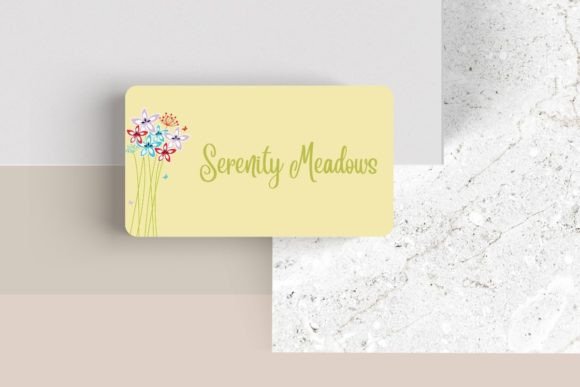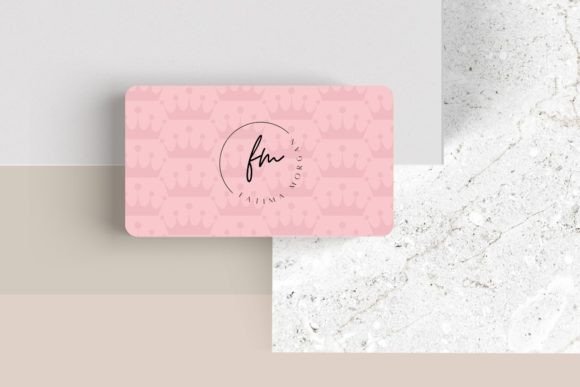
Editable Canva Business Card #23: A Modern Template for Standout Branding
First impressions in business are often made with a simple exchange—a handshake and a card. That small rectangle of cardstock carries the weight of your entire brand identity. A generic, template-looking card can blend into the stack, while a thoughtfully designed one becomes a memorable touchpoint. This is where the Editable Canva Business Card #23 steps in. It’s more than just a template; it’s a flexible design system built for professionals who understand that their business card is a critical piece of their marketing toolkit. Its sleek, modern aesthetic provides a polished foundation, but its true power lies in the complete customization it offers, allowing you to craft a card that doesn’t just share your contact details but tells your brand’s story at a glance.
The Anatomy of a Professional First Impression
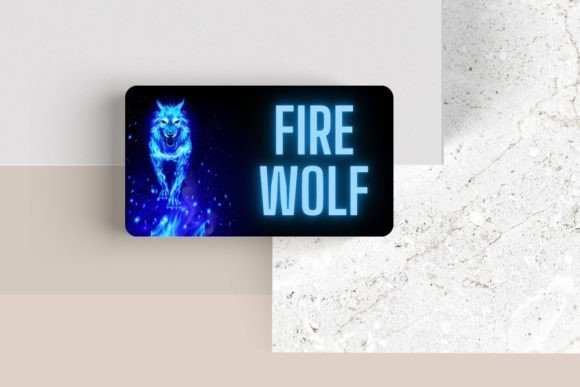
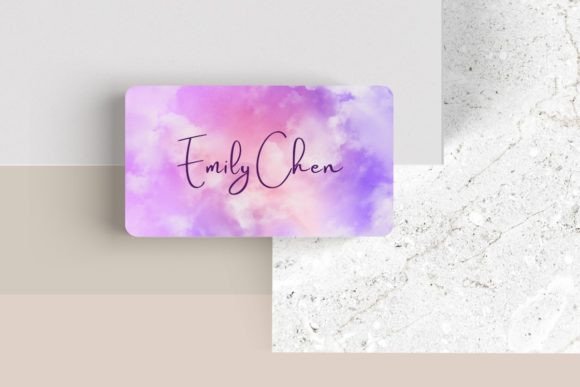
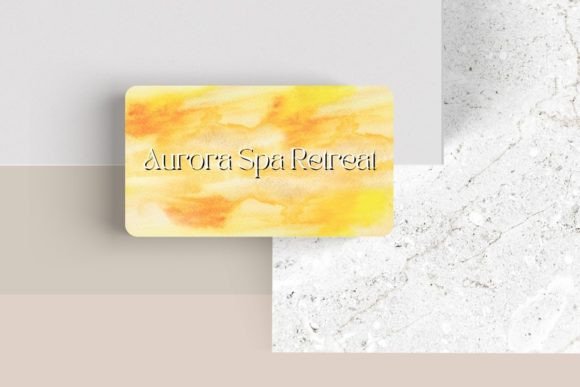
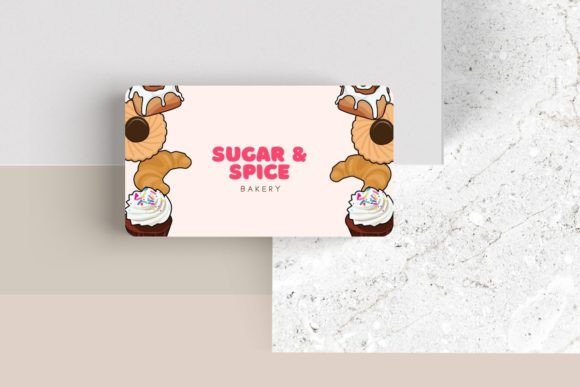
What makes a business card effective? It’s a blend of visual appeal, clarity, and personality. The Editable Canva Business Card #23 excels by starting with a strong, contemporary design baseline. The layout is intentionally clean, with strategic use of white space that guides the eye naturally from your name and title to your essential contact information. This prevents the clutter that can make a card feel amateurish. The design’s versatility is its standout feature—it can be adapted to feel minimalist and corporate, or bold and creative, depending on your brand’s voice.
The standard 3.5″ x 2″ dimensions ensure it fits perfectly into any wallet or cardholder, adhering to universal expectations while the design within those boundaries breaks the mold. By allowing you to move elements, adjust typography, and incorporate your own imagery, this template transforms from a static file into a dynamic brand asset. You’re not just filling in blanks; you’re composing a visual statement.
From Template to Total Brand Expression
Think of this editable card as the starting point for a cohesive visual identity. The design choices you make here—your selected font pairing, your color palette, the style of your logo—can and should echo across all your brand touchpoints. This creates the visual consistency that builds brand recognition. When a client sees the same modern sans-serif font or signature accent color on your card, your website, and your social media graphics, it reinforces your professional image and makes you instantly recognizable.
This consistency is crucial for more than just aesthetics; it builds trust. A disjointed brand presentation can subconsciously signal a lack of attention to detail. By using a tool like Canva to customize this template, you can easily extract your exact color hex codes and font names to apply them consistently to other projects. Your business card becomes the DNA of your broader brand identity system, informing everything from your email signature to your packaging design.
Practical Customization: Beyond the Basics
The instructions to change fonts, colors, and add a logo are just the beginning. To truly leverage this template, consider these practical applications:
- Typography as Tone: The font you choose sets the mood. A clean, geometric sans-serif font communicates efficiency and modernity, ideal for tech startups or consultants. A classic serif font can evoke tradition and reliability, perfect for law firms or financial advisors. For creative studios or boutiques, a subtle script or handwritten accent font can add a personal, artisanal touch. The key is to choose a typeface that aligns with your brand’s personality, not just one that looks trendy.
- Strategic Element Placement: Don’t just move things around randomly. Use the grid lines in Canva to create deliberate alignment. Consider a two-sided design: use the front for a bold visual statement—your logo and a tagline—and the back for the detailed contact information. This uses the real estate effectively and creates a more impactful reveal.
- Integrate Your Logo Authentically: If you have a detailed logo, consider using a simplified icon version for the card to maintain clarity at a small size. Ensure the logo’s colors complement the card’s palette. If your logo is text-based, you might use it as your name header, merging identity and information seamlessly.
Remember, the goal is clarity and professionalism. Every added element, whether a photo, a background texture, or an additional icon, should serve a purpose and not overwhelm the core message.
A Tool for Modern Marketing Assets
The value of a well-designed, customizable template extends far beyond networking events. The design language established with your Editable Canva Business Card #23 can become the blueprint for a suite of marketing assets. Need a quick social media graphic to announce a sale? Use the same color palette and font style. Creating a flyer for a local market? Pull the layout structure and visual motifs from your card design. This approach ensures all your materials feel connected and professional, saving you time and strengthening your brand’s presence across every platform.
This is particularly powerful for small business owners and entrepreneurs who wear many hats. It provides a system for creating cohesive digital products, blog post graphics, and even simple packaging inserts without starting from scratch each time. The initial investment of time in customizing your card template pays dividends in efficiency and brand cohesion down the line.
Choosing and Pairing Your Typography Wisely
The ability to change the font is a powerful feature, but it requires a thoughtful approach. Here’s how to make informed typography choices:
- Prioritize Readability: Your name and contact details must be instantly legible. Avoid overly decorative fonts for essential information. Test your design by printing a sample or viewing it at actual size on screen. If someone has to squint to read your email address, the design has failed its primary function.
- Master Font Pairing: A successful pairing often involves contrast. Pair a bold, attention-grabbing display font for your name or headline with a neutral, highly readable sans-serif font for body text like your phone number and website. Two contrasting fonts create visual interest without chaos. Using two very similar fonts can look like a mistake.
- Consider Commercial Licensing: When selecting fonts within Canva, be mindful of their usage rights. Most fonts in Canva’s library are available for commercial use, but it’s always prudent to check the license for any third-party fonts you might upload. Ensuring you have the right to use a font commercially protects your business from legal issues down the line.
The template provides a starting point, but your typography choices will ultimately define its character and effectiveness for your specific audience and industry.
In the end, a business card should work as hard as you do. The Editable Canva Business Card #23 provides the professional framework and creative freedom to ensure it does exactly that. It’s a practical design asset that empowers you to move beyond generic templates and create a personalized, cohesive brand statement that makes a lasting impression long after the initial handshake. By focusing on strategic customization and visual consistency, you turn a simple card into a cornerstone of your professional identity.