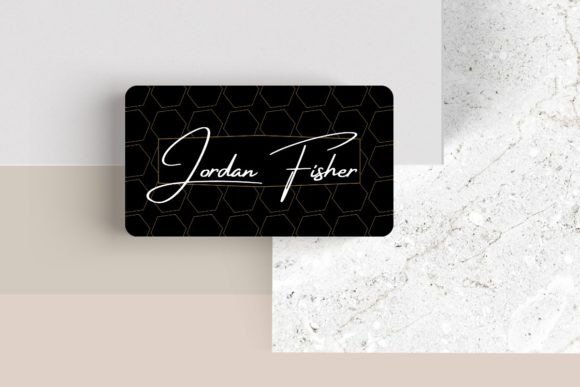
Editable Canva Business Card #39: Design Your Perfect First Impression
In the world of business, your card is often the first tangible piece of your brand a potential client or partner holds. It’s more than just contact information; it’s a physical handshake, a snapshot of your professionalism, and a powerful marketing tool. Yet, so many settle for generic, templated designs that fail to capture the unique essence of their work. What if you could craft a business card that feels entirely yours, without needing advanced design skills or a hefty budget? That’s the promise of a thoughtfully designed, editable template like the one we’re exploring today.
Beyond the Template: A Foundation for Your Brand Identity
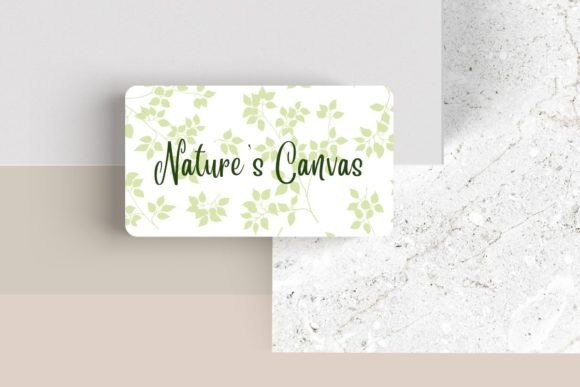
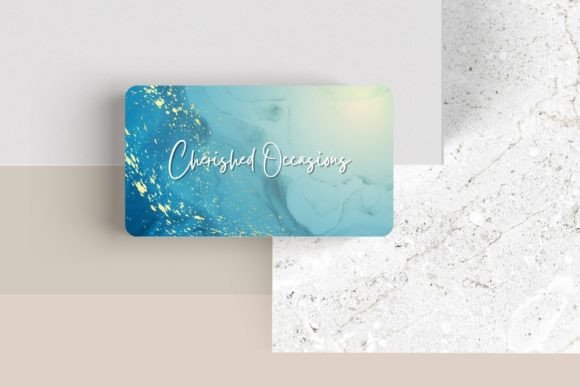
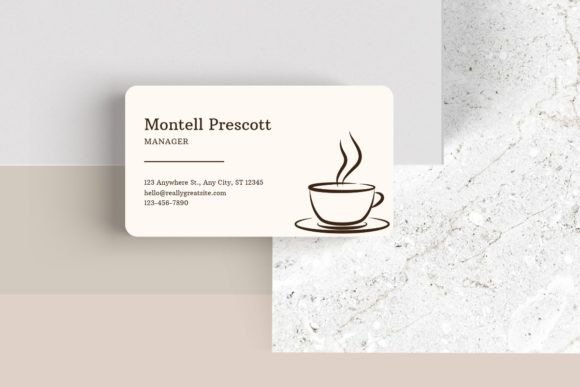
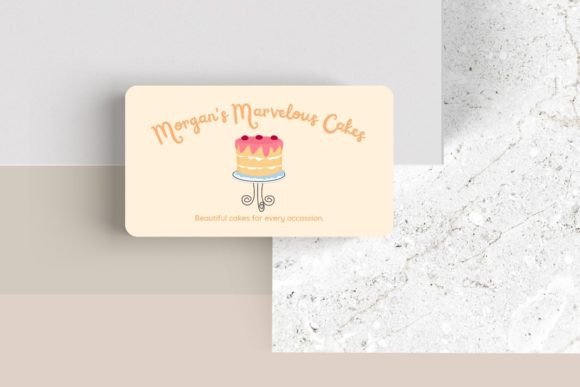
Editable Canva Business Card #39 is built on a principle of flexible sophistication. It offers a sleek, modern layout that serves as a strong starting point, but its true power lies in its complete customizability. This isn't a locked file where you just type your name. You have the creative control to adjust every single element. Think of it as a professional design kit. You can modify the font, font color, and size to match your brand's typography. You can add your logo with ease, ensuring it’s placed prominently and styled correctly. The ability to move elements around means you’re not constrained by a rigid grid—you can create balance and hierarchy that guides the eye exactly where you want it. Need to include a photo, a social media icon, or a subtle brand pattern? You can add additional elements like photos or logos to make the design uniquely yours.
This level of control is invaluable for maintaining visual consistency across all your materials. When your business card uses the same premium font family and color palette as your website, packaging, and social media graphics, it reinforces brand recognition at every touchpoint. The card stops being an isolated item and becomes a cohesive part of your larger brand identity system.
Practical Applications for the Modern Professional
The utility of a well-crafted business card extends far beyond a networking event. Consider how this customizable template can serve various roles in your professional toolkit:
- For the Entrepreneur & Freelancer: Your card is your mini-portfolio. With Editable Canva Business Card #39, you can tailor the design to your specific niche. A photographer might use a display font and incorporate a stunning image into the background. A consultant might opt for a clean sans serif font to convey clarity and modernity. The flexibility allows you to project the exact tone of your business, whether it’s creative and bold or minimalist and authoritative.
- For Branding & Marketing: This template is a fantastic starting point for developing broader marketing assets. The design principles you establish here—your chosen color scheme, typography pairings, and layout style—can be directly translated to packaging design, posters, and digital products. It helps you build a cohesive visual language from a single, manageable file.
- For Content Creators & Bloggers: A business card can do more than share an email. Use it to promote your latest project, include a QR code linking to your portfolio, or feature a key social media handle. The ability to customize means you can create different cards for different purposes—one for speaking engagements, another for brand collaborations—each maintaining your core brand identity.
- For Events & Special Projects: Need a stylish contact card for a wedding, a workshop, or a pop-up shop? This editable format is perfect. You can adapt the modern typography and layout to create invitations, thank-you cards, or event-specific contact details, ensuring everything feels intentional and professionally designed.
Making Smart Design Choices: Typography and Readability
While the template provides the structure, your choices in customization determine its effectiveness. The most critical element is often typography. Selecting the right typeface is about more than just personal taste; it’s about communication.
A serif font can impart a sense of tradition, reliability, and elegance, making it a strong choice for law firms, financial services, or luxury brands. A sans serif font typically feels clean, modern, and approachable, ideal for tech startups, creative agencies, and contemporary services. Script fonts and handwritten fonts add a personal, artisanal touch but should be used sparingly and tested for readability, especially at small sizes like on a standard 3.5″ x 2″ business card.
A key piece of practical advice is to test font pairings within the Canva editor. A common and effective strategy is to pair a distinctive heading font with a highly legible body font. For example, a bold display font for your name or business title paired with a clean sans serif for your contact information creates a clear hierarchy. Always print a test copy. What looks crisp on screen can sometimes blur or become too faint in print, so checking physical readability considerations is non-negotiable.
Remember, the goal is professional presentation that facilitates audience engagement. A card that is beautiful but hard to read fails its primary function. Use the template’s flexibility to experiment, but always prioritize clarity and purpose in your final design.
From Digital File to Tangible Asset
Once your design is perfected in Canva, the next step is bringing it to life. This is where you consider the physical aspects that complement your digital design. The standard 3.5″ x 2″ size is universally recognized and fits easily into wallets and cardholders. However, the paper stock, finish, and printing technique can dramatically enhance the perception of your brand.
A matte finish offers a sophisticated, contemporary feel, while a gloss finish can make colors pop. Uncoated paper has a tactile, premium quality that many designers and creatives favor. Some services even offer rounded corners or spot UV coating for added distinction. When you export your final design from Canva, ensure you’re using the highest quality PDF setting to preserve all your design details for the printer.
Furthermore, always be mindful of commercial licensing considerations. When you use fonts and elements within Canva, ensure they are cleared for commercial use if you plan to use the business card for professional purposes. Canva’s Pro license typically covers this, but it’s a crucial detail to verify, especially if you are creating cards for clients as part of a design assets package.
Ultimately, a business card is a small investment with a potentially high return. By leveraging a customizable tool like Editable Canva Business Card #39, you take control of that first impression. You move from being a passive recipient of a generic template to an active creator of a brand touchpoint that is thoughtful, consistent, and authentically you. It’s not just about having a card to hand out; it’s about having a card that works for you, opening doors and starting conversations long after the initial meeting.