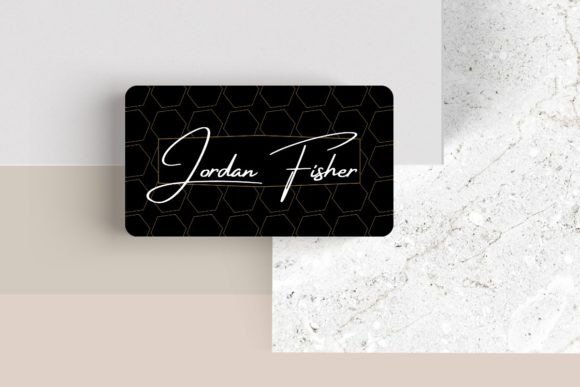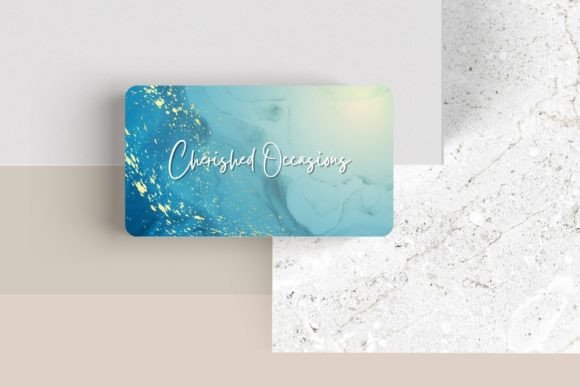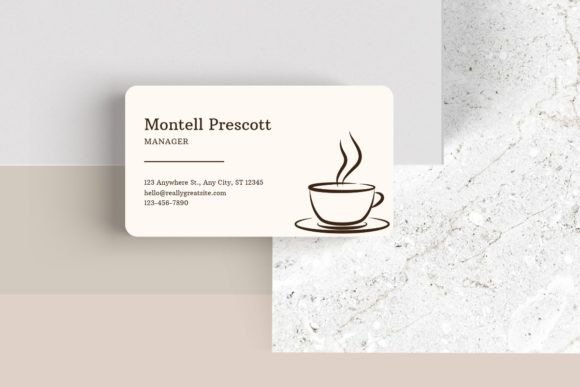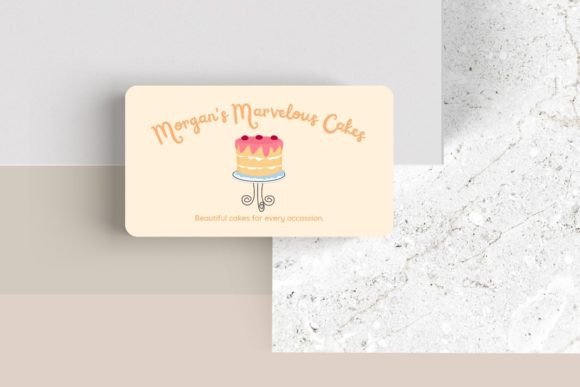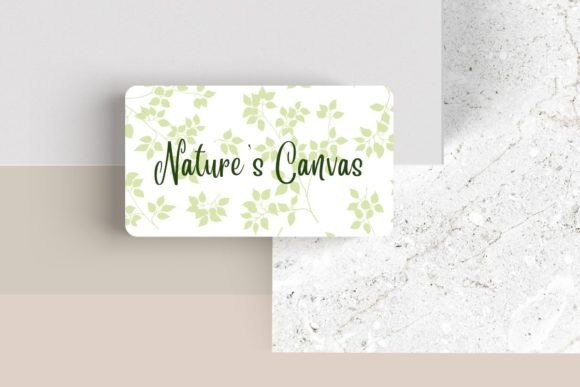
Editable Canva Business Card #53: Design Your Perfect First Impression
That moment when someone hands you a business card, and you immediately forget who they are? It happens more often than we'd like to admit. In a world of generic templates and forgettable designs, your business card has about three seconds to make an impact. That's precisely why having a tool like Editable Canva Business Card #53 in your design arsenal matters—it gives you the creative control to craft something memorable without needing a design degree.
What sets this particular template apart is its balance between modern professionalism and creative flexibility. The sleek, contemporary layout provides structure, while the customizable elements let you inject your brand's personality. You're not just filling in blanks on a pre-made card. You're designing a miniature billboard for your brand that fits in a wallet.
Why Customization Beats Cookie-Cutter Every Time
Think about the last business card that actually impressed you. Chances are, it didn't look like it came straight from a template pack. It probably had intentional typography choices, a cohesive color palette, and layout decisions that guided your eye exactly where the designer wanted it.
That's the advantage of working with an editable template rather than a static one. With Editable Canva Business Card #53, you can adjust every font, swap colors to match your brand palette, reposition elements for better visual flow, and even add your logo or secondary graphics. The standard 3.5" x 2" dimensions ensure professional printing compatibility, while the design flexibility means no two final products need to look alike.
Consider a freelance photographer who wants moody, dark tones with elegant serif typography. Now imagine a tech startup founder who prefers clean sans serif fonts with a bright, energetic color scheme. Same template, two completely different results. That adaptability is what makes a resource like this genuinely useful rather than just another download collecting digital dust.
Building a Cohesive Brand Identity Starts Here
Your business card doesn't exist in isolation. It's one piece of a larger brand ecosystem that includes your website, social media presence, packaging, email signature, and every other touchpoint where a potential client encounters your work. When these elements feel disconnected, people notice—even if they can't articulate exactly what feels off.
Starting with a customizable template gives you a foundation to build consistency. Here's how you might approach it practically:
- Pull your brand colors directly from your logo and apply them to the template's accent elements, backgrounds, or typography
- Match the font style to your existing typefaces—if your website uses a modern sans serif, carry that same family or a complementary style onto your card
- Position your logo thoughtfully so it doesn't compete with your contact information but remains immediately visible
- Consider the hierarchy of information—your name and title should be prominent, followed by the details people actually need to reach you
This kind of visual consistency across platforms builds brand recognition faster than almost any other strategy. When someone sees your card at a networking event and later encounters your Instagram feed, the connection should feel natural and intentional.
Practical Applications Beyond the Card Itself
Here's something many people overlook: the design skills and visual assets you develop while creating a business card translate directly to other projects. That color palette you refined? Use it for social media graphics. The typography pairing you discovered? Apply it to your website headers or blog post titles. The layout principles you practiced? They'll improve your packaging design, poster layouts, and digital product presentations.
Think of working with Editable Canva Business Card #53 as a design exercise with a tangible deliverable. You're not just making a card—you're making decisions about your brand's visual language that will inform countless other creative assets.
Small business owners frequently tell me they struggle with maintaining a consistent look across their marketing materials. The root cause is often that they've never sat down and deliberately defined their visual identity. Working through a template like this, making intentional choices about fonts, colors, and layout, forces you to articulate preferences you might have only felt instinctively.
Typography Choices That Actually Communicate
Let's talk about fonts for a moment, because your typography choice on a business card does real communicative work. A bold, geometric sans serif conveys confidence and modernity. A refined serif suggests tradition and authority. A handwritten script adds warmth and personal touch. These aren't arbitrary associations—they're built on decades of visual communication conventions.
When customizing your card, consider what your typography needs to communicate about your specific industry and personality:
- Professional services like law, finance, or consulting often benefit from classic serif or clean sans serif fonts that project reliability
- Creative industries such as photography, design, or art can explore more expressive display fonts or elegant script options
- Tech and startups typically lean toward geometric sans serif typefaces that feel innovative and forward-thinking
- Handmade or artisan businesses might pair a script or handwritten font with a simple sans serif for warmth balanced with readability
The key is ensuring your font choice remains legible at business card size. That gorgeous display font might look stunning on a poster, but at 8-point type on a 3.5-inch card, it could become an unreadable blur. Always print a test copy before committing to a full order.
Making the Template Work for Your Specific Needs
One practical advantage of working in Canva is the ability to experiment rapidly. Duplicate your card design and create multiple variations. Try swapping the primary and secondary font colors. Test a version with your logo on the left versus the right. Generate a minimalist version and a more detailed version, then compare them side by side.
This iterative approach is how professional designers work, and it's entirely accessible when you're starting with an editable template. You're not locked into one vision from the start—you can explore possibilities and let the strongest design emerge through comparison.
For entrepreneurs who attend frequent networking events, consider creating seasonal variations or versions tailored to different audiences. A consultant might carry one card emphasizing strategic services for corporate contacts and another highlighting creative capabilities for agency partners. The underlying template remains consistent, preserving brand recognition, while the emphasis shifts to match the context.
The Real Value of a Well-Designed Card
In an era of LinkedIn connections and digital contact sharing, some people question whether physical business cards still matter. Here's the reality: they absolutely do, especially when they're designed with intention. A thoughtfully crafted card demonstrates professionalism and attention to detail in a way that tapping phones together simply cannot replicate.
When you hand someone a card that feels considered—where the typography is intentional, the colors are cohesive, the layout guides their eye naturally, and the overall impression aligns with who you are as a professional—you're making a statement about the quality of work you deliver. That card becomes a physical artifact of your brand promise.
Editable Canva Business Card #53 provides the starting framework. What you build with it—through thoughtful customization, consistent brand alignment, and attention to the small details that separate forgettable from memorable—is entirely up to you. The tools are flexible enough to accommodate virtually any aesthetic direction, from bold and contemporary to refined and understated.
Start by defining what you want your card to communicate about you. Then use the template's customization features to bring that vision to life, one intentional choice at a time. Your next networking event could be the one where someone actually remembers your name—and keeps your card right where they can find it.