Make Your First Impression Count with Editable Canva Business Card #51
In a world saturated with digital noise, the physical exchange of a business card remains a powerful ritual. It’s more than just contact information; it’s a tangible piece of your brand identity, a small canvas that communicates your professionalism, creativity, and attention to detail before a word is spoken. For freelancers, entrepreneurs, and small business owners, having a card that feels uniquely yours is non-negotiable. This is where a versatile, high-quality template like Editable Canva Business Card #51 becomes an indispensable asset in your branding toolkit.
A Design That Balances Modern Aesthetics with Practical Flexibility
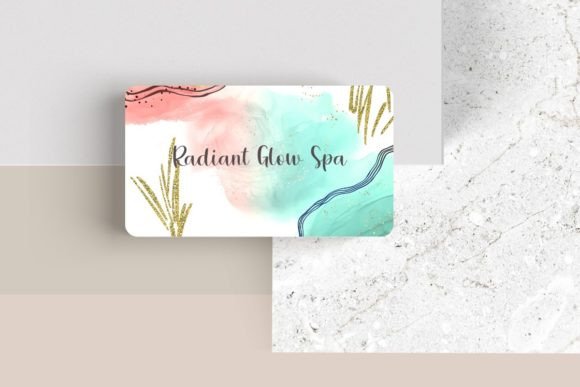
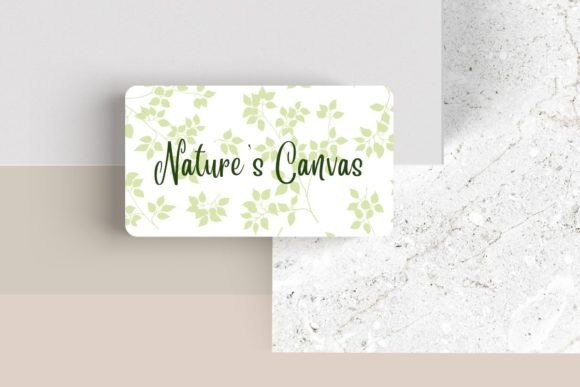
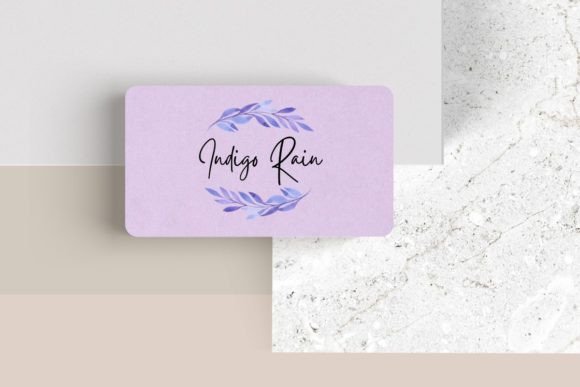
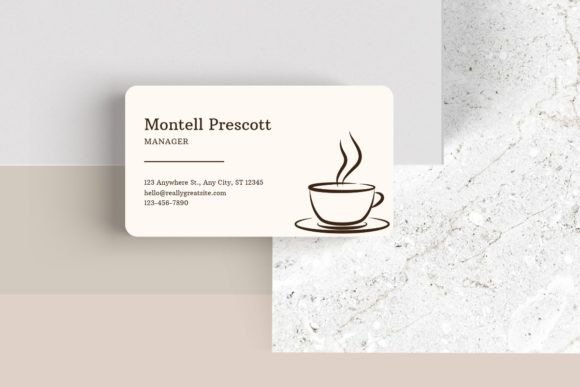
The first thing you'll notice about Editable Canva Business Card #51 is its sleek, contemporary aesthetic. It avoids overly trendy elements that might date quickly, instead opting for a clean, balanced layout that serves as a sophisticated foundation. The visual appeal lies in its thoughtful composition—ample white space that guides the eye, strategic placement of elements that creates a natural hierarchy, and a modern typography framework that feels both professional and approachable.
What makes this template particularly valuable is its deep customizability within Canva's user-friendly interface. You're not locked into a rigid design. The core dimensions of 3.5″ x 2″ provide the standard canvas, but the creative control is entirely in your hands. You can adjust the font, font color, and size to match your brand's exact color palette and typographic voice. Need to integrate your logo seamlessly? Simply upload and position it. Feel like shifting the layout to better highlight a specific piece of information? Move elements around until the composition feels perfect for your needs. You can even add additional elements like photos or logos to create a richer visual story.
Beyond the Business Card: A Foundation for Brand Cohesion
While its primary function is clear, the true power of a well-designed template like this is its potential to seed visual consistency across your entire brand ecosystem. The design language you establish with your business card—a specific color scheme, a particular font pairing, a style of imagery—should echo through all your touchpoints. This consistency is what builds brand recognition and trust.
Consider how the principles applied here translate directly to other projects:
- Social Media Graphics: Use the same font choices and color accents from your card for Instagram quotes, Facebook banners, or LinkedIn post templates. This creates an instantly recognizable feed.
- Website and Blog Design: The modern, readable sans-serif or serif font you select for your card can inform your website's body text and headings, ensuring a seamless transition from print to digital.
- Packaging and Merchandise: For product-based businesses, the logo placement and minimalist style can inspire labels, thank-you cards, or merchandise design, reinforcing your brand's aesthetic at every unboxing.
- Marketing Materials: Flyers, posters, and digital ads that pull from the same visual DNA as your business card will feel like part of a cohesive campaign, strengthening your overall marketing impact.
This approach to using a single, well-chosen design asset as a springboard for broader brand identity work is a hallmark of smart, efficient design strategy. It saves time, reduces guesswork, and ensures that every piece of collateral feels intentionally connected.
Practical Customization: Aligning Typography with Your Brand's Personality
The ability to customize every typographic detail is where you infuse the template with your brand's unique personality. Choosing the right font style is a critical decision that goes beyond mere aesthetics—it communicates subtext.
- A clean sans-serif font projects modernity, clarity, and efficiency, ideal for tech startups, consultants, and contemporary service providers.
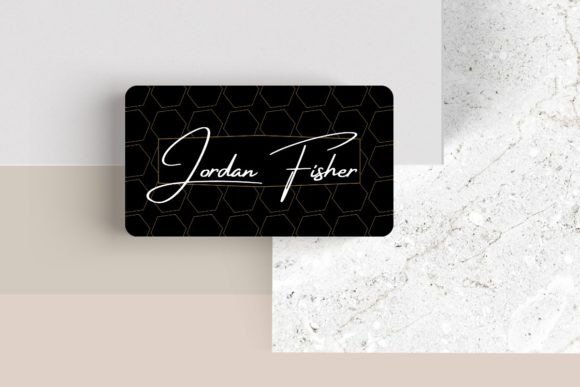
- A classic serif font conveys tradition, reliability, and sophistication, perfect for law firms, financial advisors, or boutique publishers.
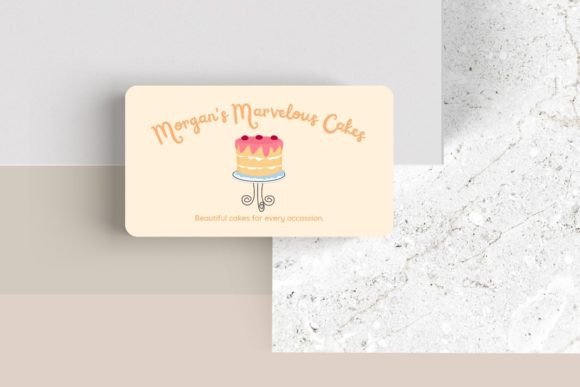
- A script or handwritten font adds a touch of personal flair, warmth, and creativity, suited for artists, crafters, or lifestyle brands.
The key is to match the typography to your project goals and audience expectations. A playful, handwritten font might be perfect for a children's party planner but less suitable for an accountant. Always consider readability as a primary concern, especially for contact details like phone numbers and email addresses. Test your chosen font pairings—a common practice is combining a distinctive display font for your name with a highly legible sans-serif for smaller text.
Remember, the template is a starting point. Review the included font styles in Canva, experiment with combinations, and don't be afraid to simplify. Often, the most professional designs use restraint, relying on one or two complementary typefaces and a limited color palette to create a powerful, unified look.
Standing Out in the Stack: The Lasting Impression
Ultimately, the goal of any business card is to be remembered and acted upon. An editable business card template that allows for this level of personalization gives you the tools to create something that doesn't just convey information, but also communicates your brand's ethos. It’s about making a lasting impression that speaks volumes about your professionalism and style.
By starting with a strong, adaptable design foundation like Editable Canva Business Card #51, you empower yourself to create a networking tool that is both visually striking and deeply aligned with your broader brand identity. It’s a practical, creative solution for anyone looking to elevate their professional presence, one thoughtfully designed card at a time. Take the template, make it your own, and step into your next networking opportunity with confidence, knowing your first impression is in your hands.